
Offering group discounts!
Many trekkers spend nearly two weeks reaching Everest Base Camp, slowly walking through the Khumbu region. But for travelers who are short on time yet still dream of seeing the base of the world’s highest mountain, the Everest Base Camp Trek in 5 Days offers an exciting and practical alternative. It’s a clever combination of trekking and helicopter travel that allows you to experience the highlights of the Everest region in a much shorter period.
The journey begins just like the classic Everest trek, with the famous flight to Lukla. This short mountain flight is considered one of the most thrilling in Nepal, as the aircraft glides past dramatic landscapes and lands at the small Tenzing–Hillary Airport surrounded by towering peaks. From Lukla, the adventure continues on foot, following the traditional trekking trail toward Phakding on the first day.
The next day, the trail gradually climbs toward Namche Bazaar, the vibrant Sherpa town often referred to as the gateway to Everest. The walk passes through beautiful forests, suspension bridges decorated with prayer flags, and small Sherpa villages where trekkers get their first glimpse of local mountain life. Reaching Namche Bazaar feels like stepping into a lively Himalayan hub, with bakeries, shops, and breathtaking mountain views all around.
After arriving in Namche, trekkers spend time exploring the area for acclimatization. It’s a great chance to walk around the village, visit nearby viewpoints, and enjoy the atmosphere of this unique mountain town. From here onward, the journey takes a different and exciting turn.
Instead of continuing the long trek toward Everest Base Camp, the adventure continues by helicopter. From Namche Bazaar, you board a scenic helicopter flight that takes you deep into the Everest region. Flying above glaciers, rugged valleys, and iconic trekking routes, the helicopter eventually reaches Kala Patthar (5,555 meters), one of the most famous viewpoints in the Himalayas.
Standing at Kala Patthar is a truly unforgettable moment. From here, you can see Mount Everest rising above the surrounding peaks, along with spectacular views of Lhotse, Nuptse, Numbur, and other Himalayan giants. The panorama is breathtaking, and many trekkers consider this the best place to witness Everest up close.
After enjoying the incredible views and capturing those once-in-a-lifetime photos, the helicopter flies back toward Lukla, giving you another chance to admire the dramatic Himalayan landscape from above. The following day, you board a scenic flight back to Kathmandu, bringing this short yet remarkable journey to an end.
Even though the trip lasts only five days, it manages to include so many unforgettable experiences: the legendary Lukla flight, trekking through Sherpa villages, exploring Namche Bazaar, and a spectacular helicopter ride above Everest Base Camp to Kala Patthar.
For travelers who have limited time but still want to stand in the shadow of the world’s highest mountain, this trek is a perfect choice. It’s designed for time-bound travelers, beginners, and adventure seekers who want to experience Everest without committing to a long expedition. In just a few days, the Everest Base Camp Trek 5 Days offers a journey filled with stunning landscapes, cultural encounters, and memories that last a lifetime.
 Country
Nepal
Country
Nepal
 Duration
5 Days
Duration
5 Days
 Difficulty
Moderate
Difficulty
Moderate
 Max. Altitude
5240 meters /
Max. Altitude
5240 meters / Prime Activity
Trekking
Prime Activity
Trekking
 Season
Autumn
Season
Autumn
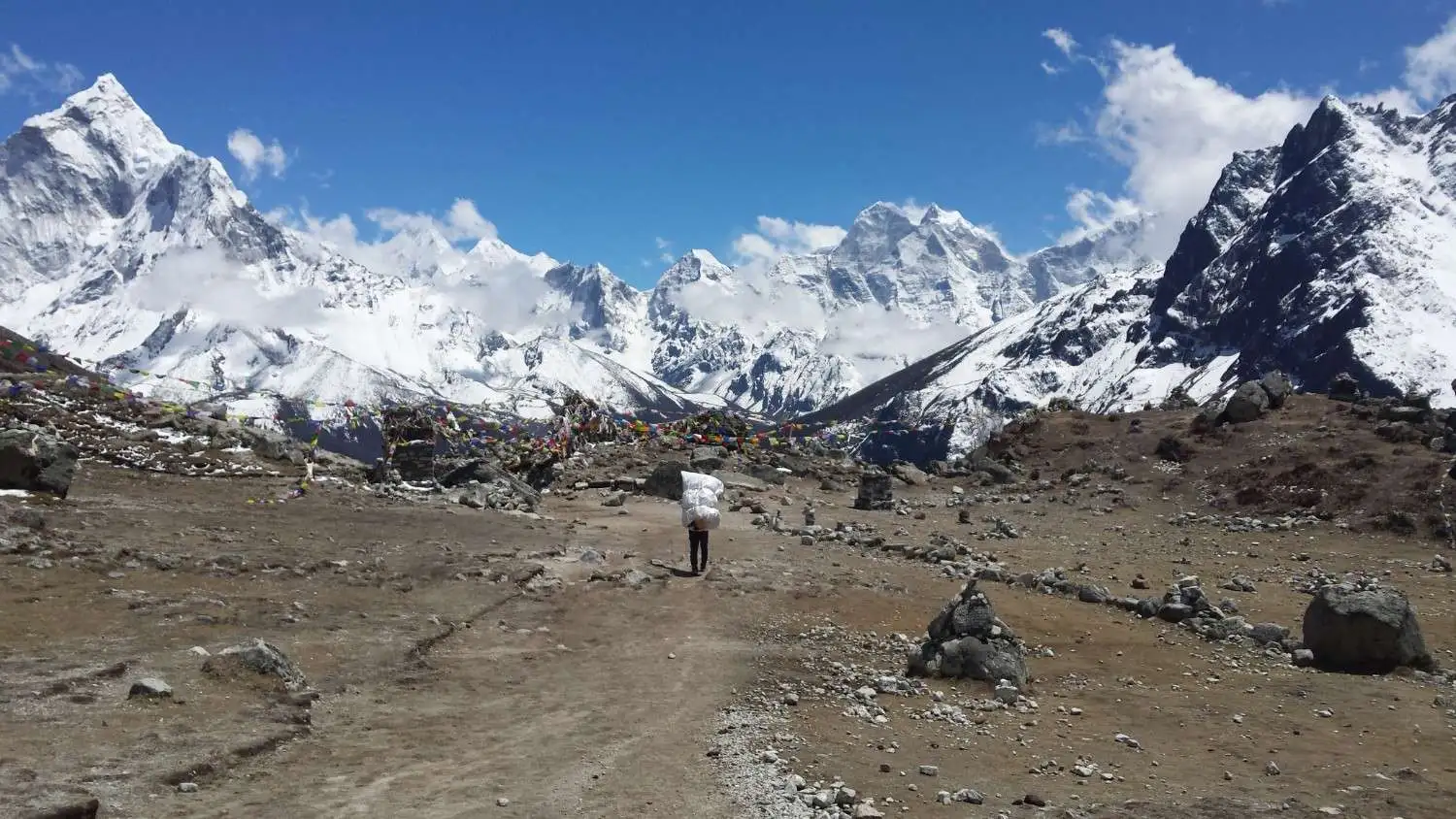

You get to experience one of the most thrilling flights with a breathtaking aerial view of mountain vistas.
Explore the Sherpa village.
Hike through lush forest, rhododendron trees, and high-altitude landscape.
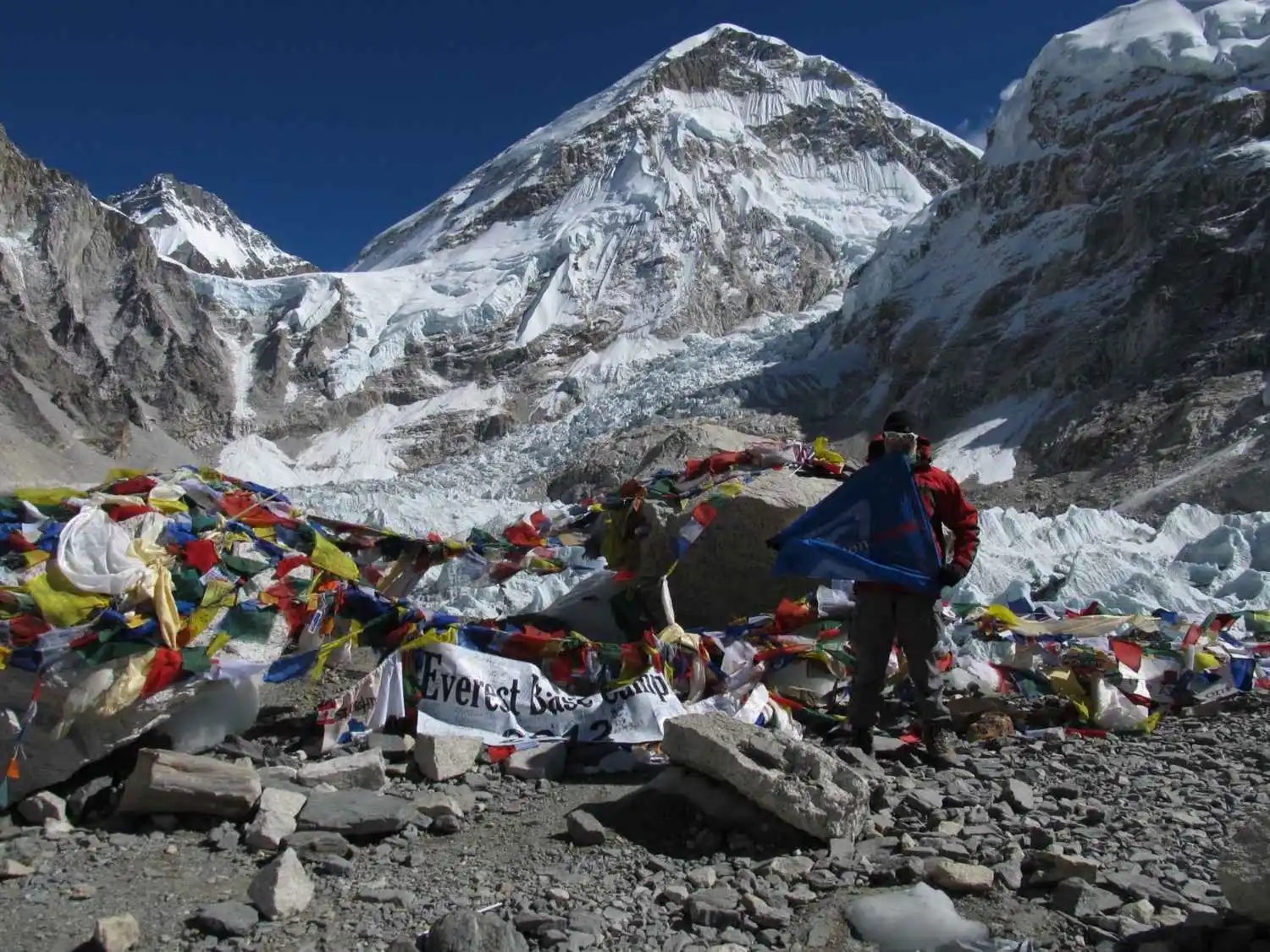
You’ll be standing at the highest peak, which is EBC
You’ll witness a stunning sunrise view of Mount Everest along with other mountain vistas.
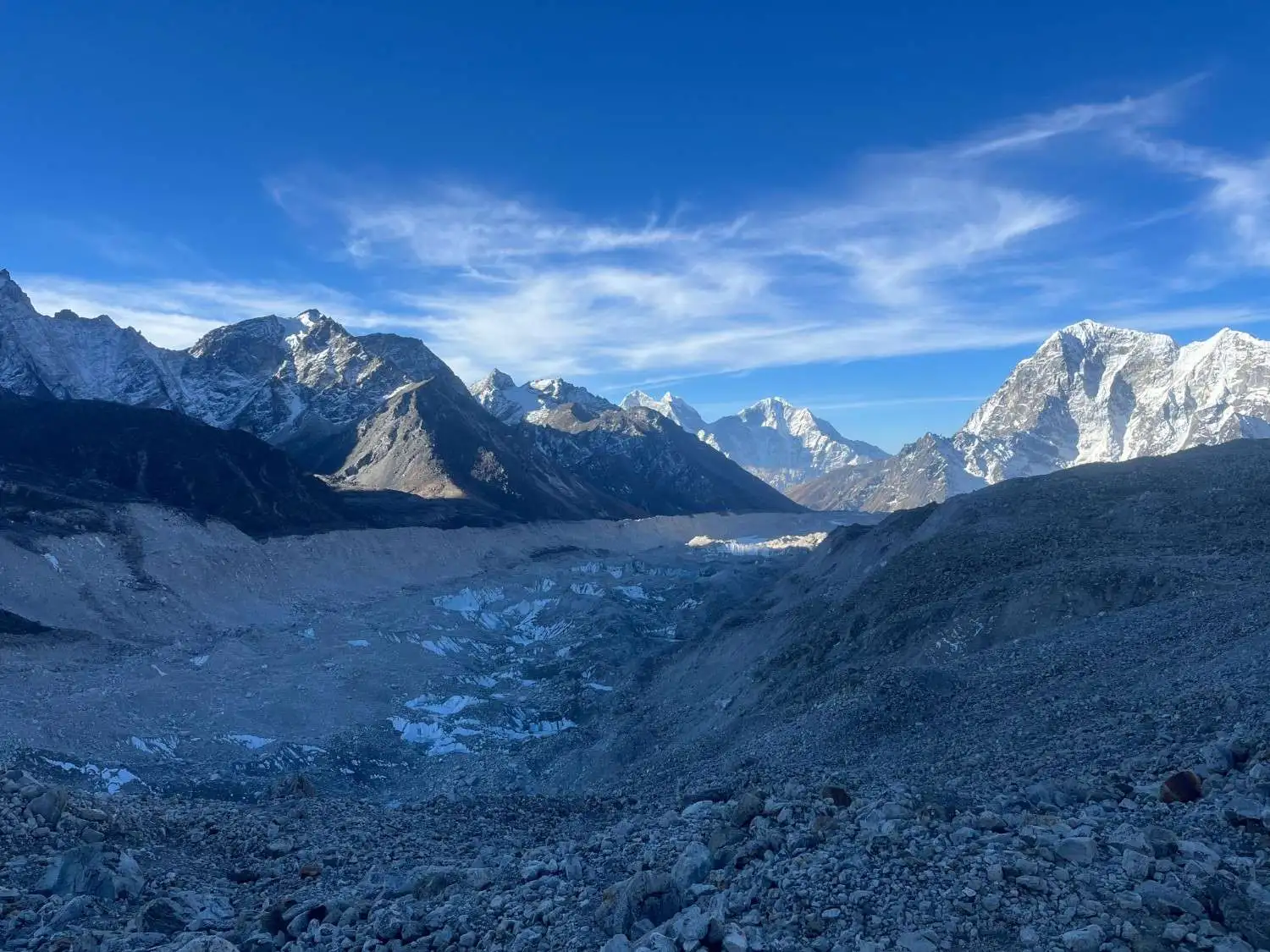
While returning on a helicopter, you can experience the scenic aerial perspective of the Himalayas.
It is perfect for trekkers who want to experience adventure and skip the return trek from EBC.
Seasonal Information
Weather is a critical factor that influences the experience of trekkers. Weather varies during different seasons in EBC. The best is spring (March-May). You can experience clear skies. It is the best time for photography and also for trekking conditions. You can see clear mountain views and blooms of rhododendron. For autumn (September-November), you can experience dry and stable weather conditions. The weather is stable, as it is peak trekking season. You can see the best visibility of the mountain. It is also a festive season for the Sherpa community. For winter (December-February), the weather is extremely cold at high altitudes. In this season heavy snowfall occurs, and the possibility of teahouses being closed at high altitudes is high. For Monsoon (June-August), continual rainfall below 3000 m. You experience slippery trails and limited mountain views. This season is least recommended for trekkers because of landslides, foggy areas, and high risk. Therefore, plan your trek during spring or autumn for the best experience.
Cultural and Natural Insights
For cultural insights, you can explore Namche Bazaar, which is the capital of the Sherpa people. You can explore the sacred monastery that is Tengboche Monastery and see the panoramic view of Mount Everest. There are Buddhists whose culture is Tibetan-influenced and vibrant festivals like Mani Rimdu. Similarly for natural insights, you can see stunning views of Mount Everest along with other mountains like Lhotse, Ama Dablam, and Thamserku. You can see rare species like snow leopards, yak pastures, monal and rhododendron forests, and alpine forests. There are geographical features, and you can understand the glacial valleys, rivers, and majestic summits that define the Everest region.
Modern Trekkers’ Expectations
You get cosy tea houses; they are basic but very comfortable lodges.
You get standard meal for breakfast, lunch and dinner
You should carry cash as there is no ATM service.
Hiring the local porter/guide will give you an ethical trekking experience.
Due to the high risk of altitude sickness, acclimatization for the day is needed.
As trekkers seek balance between adventure and the outside world. The Everest base camp trek tries to meet the expectations of modern trekkers.
Treks You Might Also Like:
Even though the Everest Base Camp Trek in 5 Days is shorter than the classic trek, the accommodation and food along the route still provide a comfortable and enjoyable experience. Since the journey follows the traditional Everest trail up to Namche Bazaar, trekkers stay in the same welcoming teahouses and lodges that have been hosting travelers in the Khumbu region for many years.
During the trekking portion of the trip, mainly around Lukla, Phakding, and Namche Bazaar, accommodation is usually arranged in local teahouses or mountain lodges. These lodges are simple but cozy, offering a warm place to relax after a day of walking. Most rooms are on a twin-sharing basis, with two beds, comfortable mattresses, pillows, and blankets. The rooms may not be luxurious, but after spending the day on the trail, they provide exactly what trekkers need: a quiet and comfortable place to rest.
Bathrooms in many lodges are shared, especially in smaller villages, though some places in Lukla and Namche Bazaar may offer attached bathrooms depending on availability. The hospitality of the lodge owners often makes the stay even more pleasant. Many of these families have been welcoming trekkers for generations, and their warmth and friendliness add a special touch to the journey.
When it comes to food, trekkers are well taken care of along the trail. The lodges usually serve a variety of freshly prepared meals that are both filling and comforting, which is exactly what you need during a mountain trek.
The most common meal you will come across is the traditional Nepali dish dal bhat, rice served with lentil soup, vegetables, and pickles. It’s simple, nutritious, and perfect for refueling after hours of walking. Many trekkers end up enjoying dal bhat regularly during the trek because it provides plenty of energy.
Apart from local dishes, teahouses also serve several other options, such as fried rice, noodles, pasta, pancakes, eggs, soups, and Tibetan bread. Popular Himalayan dishes like momos (dumplings) and chow mein are also widely available and often become favorites among trekkers.
Breakfast in the mountains is usually simple but satisfying. You can expect items such as toast, eggs, porridge, pancakes, muesli, or cereal, served with tea, coffee, or hot lemon. A warm breakfast is the perfect way to start the day before heading out on the trail.
Since supplies in the Everest region are carried up by porters, yaks, or mules, food choices may become slightly limited the higher you go, and prices can be a bit higher compared to cities. However, because this particular itinerary only involves trekking up to Namche Bazaar before continuing by helicopter, trekkers usually enjoy a good variety of food and comfortable lodges during their stay.
Overall, while the accommodation and meals are simple, they are more than enough to keep trekkers comfortable and energized throughout the journey. Combined with the stunning mountain scenery and warm local hospitality, the experience of staying and dining in the Everest region becomes a memorable part of the adventure itself.

Tenzing Sherpa
Have questions? Our travel specialists are here to help plan your perfect adventure.
Chat on WhatsAppTime to get those bags packed! The adventure kicks off with an early morning flight from Kathmandu to Lukla. Honestly, this short flight alone is worth waking up for. As the small aircraft cuts through the clouds, you get your first real taste of the Himalayas, with snow-dusted peaks filling every window. We touch down at Lukla in about 30-35 minutes and waste no time getting our boots on the trail. The walk to Phakding is a gentle introduction, nothing too demanding. We drop down from Lukla and follow a lovely path running alongside the Dudh Koshi River. The air feels fresh, the landscape is green, and by the time we roll into Phakding a few hours later, you'll already feel like a different person.
After a good breakfast, we hit the trail again, this time heading north along the Dudh Koshi River. One of the highlights of today's walk is crossing the river multiple times on swaying suspension bridges decorated with colorful prayer flags. There's something almost meditative about it. We pass through quiet little villages like Benkar and Zamphuti. Just past Benkar, you catch your first real glimpse of the high peaks, and trust us, you'll stop walking for a moment just to stare. At Monjo, we cross the river and pass through the entrance gate of Sagarmatha National Park, where we show our permits and step into protected territory. From here, the trail winds through dense forest before climbing steadily toward the famous Tenzing Hillary Suspension Bridge. Beyond that, one long uphill push brings us into Namche Bazaar. By evening, you'll find yourself in the most vibrant town in the entire Khumbu region, full of warm teahouses, bakeries, and trekkers from every corner of the world.
No rush this morning. Today belongs to you, and your body will thank you for it. Namche sits at 3,400 meters, and before we push any higher, it's important to give ourselves time to adjust. The good news is that Namche is a fantastic place to spend a day. You can wander up to Syangboche Airport, one of the highest airports on the planet, or make your way to the famous Everest View Hotel for a jaw-dropping look at the mountain itself. If you're up for a short hike, the Sherpa villages of Khumjung and Khunde are incredibly rewarding to explore, offering a genuine glimpse into local life and culture. Take it easy, eat well, drink plenty of water, and soak in the surroundings. Tomorrow is a big one.
This is the day everything comes together. After breakfast in Namche, we board our helicopter and lift off into the Himalayan sky. What follows is genuinely hard to put into words. The helicopter sweeps over glaciers, ridgelines, and remote villages, giving you a bird's-eye view of one of the most dramatic landscapes on Earth. Lhotse, Cho Oyu, Makalu, Pumori, Nuptse, and of course Everest itself, all unfold in front of you. We land at Kala Patthar and Everest Base Camp, giving you a chance to step out, breathe the thin air, and let the moment sink in. Standing there, with the Khumbu Icefall in front of you and the summit of Everest above, is something you simply don't forget. After soaking it all in, we board the helicopter again and fly back toward Lukla, passing over Gorakshep, Dingboche, Tengboche, Namche, and Phakding along the way. A well-earned celebration in Lukla feels just right tonight.
The last morning in Lukla comes around quickly. We catch an early flight back to Kathmandu, and for one final time, the Himalayas put on a show outside the window. Thirty-five minutes later, we land back in the city, carrying memories that will honestly stick around for a long time.
Because your next adventure is impatiently waiting for you.
Last Minute Note: Grab incredible deals on the last minute departure / Book spontaneous trips to hip destinations with limited-time offers and discounted price
Before you think of or actually plan any adventurous or relaxing tours, travels, or treks with Nepal Outdoor Expeditions.