Offering group discounts!
Kathmandu is where the city comes to life, and you could almost hear history whispering through the lanes and alleys. While it may be tempting to see everything Nepal has to offer in just one day, this Kathmandu Day Tour is thoughtfully designed to do exactly that. It is more or less like receiving a cultural, architectural, and spiritual history of centuries all in one itinerary.
You figure-eight from one UNESCO World Heritage site to another, and somehow it does not feel rushed, perhaps likely because the guides know how to do it without making you feel like you are going through it on a checklist.
This blend of awe and serenity comes right at the beginning of the day, at Swayambhunath, also known as the Monkey Temple. The 365 steps can be a bit taxing if you’re not used to hills. Just a heads-up. But once you reach the top…totally worth it. From up there, the city spreads out below—a sea of red rooftops, winding streets, and temple spires. You can observe how people simply take a moment, maybe to appreciate the sight or to have a silent laugh with the monkeys freely roaming around the stupa.
And this strange, down-to-earth impression of standing somewhere that has long been unaltered by the flux of the present age is the sensation that you get at first glance.
Then there is Durbar Square, right in the middle of Kathmandu, and all at once the story switches from a quiet one to a busy one. The Newari architecture, the courtyards, and above all, the Kumari Ghar, the residence of the Living Goddess, get you into a world where tradition is still very active. There’s a rhythm here: people strolling down narrow streets, temple bells ringing, tourists frozen in awe at every turn. This square isn’t just history. People live here, pray here, and celebrate here every day. You feel it—history brushing against you, alive.
The day slows as you reach Pashupatinath and Boudhanath. Pashupatinath hits hard—crude, colorful, intense. If you’ve never witnessed Hindu rituals, the cremation ghats and daily aartis can be startling. It’s not just sightseeing. It’s personal and sacred, even if you only watch with respect. Then Boudhanath offers a gentler landing with its monumental white stupa and spinning prayer wheels, where a person can rest, take a breath, and observe the world literally swirl around centuries-old religion.
By the day's end, you know you have traversed Kathmandu both briefly and deeply, to the point that it has become a whirlwind yet somehow has given you enough room to feel a sense of belonging to the city itself.
Swayambhunath is one of the oldest and most iconic spiritual sites in Nepal—a stupa complex perched atop a hill overlooking the sprawling Kathmandu Valley. The central white dome topped with a gilded spire and the all‑seeing Buddha eyes painted on each side are instantly recognizable symbols of the city’s spiritual heritage. The site dates back more than a millennium and has been revered by both Buddhist and Hindu pilgrims for centuries, serving as a focal point for devotion, contemplation, and cultural harmony.
Approaching Swayambhunath feels like stepping into a different world. A long staircase of 365 stone steps leads from the base to the summit, each step offering glimpses of old shrines, fluttering prayer flags, and the occasional gaze of a curious temple monkey wandering beside you. The monkeys here are not just wildlife but part of the temple’s identity—frequently playful, sometimes mischievous, and always part of the experience that gives the place its affectionate local name, the “Monkey Temple.”
At the top, sweeping panoramic views of Kathmandu Valley await. On a clear day, the layer of terracotta rooftops, narrow streets, and distant hills creates a mosaic of everyday life below. The stupa’s spiritual energy is palpable as pilgrims spin prayer wheels and chant mantras in a clockwise rhythm, while the ancient shrines and small temples nestled around the complex invite quiet reflection. Swayambhunath is more than a sightseeing stop—it’s a place where the city’s layered history and devotional traditions converge.
Kathmandu Durbar Square, also known locally as Basantapur or Hanuman Dhoka, is a sprawling palace and temple complex at the heart of the old city. This UNESCO World Heritage Site was once the royal seat of Nepal’s kings, where coronations, state ceremonies, and royal rituals were held over the centuries. Many of the oldest structures around the square began construction as early as the Licchavi period (4th–8th century) and were significantly expanded during the Malla era, reflecting a rich evolution of architectural styles and cultural practices.
Wandering through the square feels like walking through a living history museum. Intricately carved wooden temples, towering pagoda rooftops, and carved stone statues fill the open courtyards, each telling a story of artistry and devotion.
The Kumari Ghar, where the Living Goddess resides, stands at the southern edge—a small palace where tradition and superstition blend in a way few places can replicate. Visitors often pause at shrines dedicated to various deities, marveling at detailed carvings depicting gods, mythical creatures, and intricate floral motifs.
Despite damage from natural events like earthquakes, the square retains a vibrant energy. Local traders and artisans gather in shaded courtyards, telling tales of the city’s past while selling handcrafted souvenirs. The Hanuman Dhoka Palace complex itself holds layers of Nepal’s monarchy, with royal residences and museums showcasing intricate art, ceremonial objects, and relics from bygone eras. Every corner of Durbar Square reveals another chapter of Kathmandu’s cultural and political legacy.
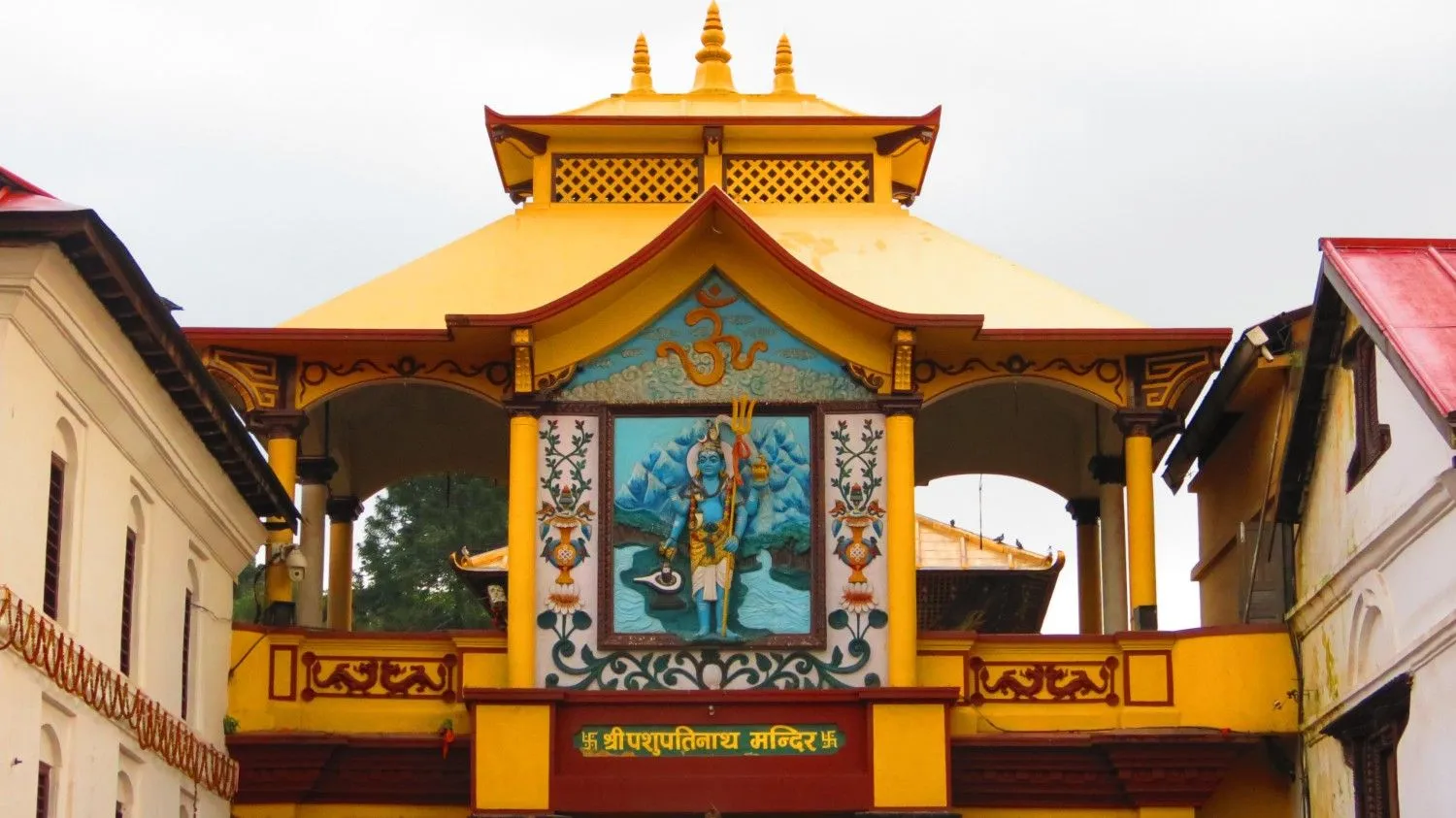
The Pashupatinath Temple is widely regarded as one of the holiest Hindu shrines in the world and a cornerstone of spiritual life in Nepal. Dedicated to Lord Shiva in his form as Pashupati (protector of all beings), this expansive temple complex stretches along the sacred Bagmati River and spans over 246 hectares—making it not only a place of worship but a vast cultural and religious landscape.
It has been revered since at least the 5th century CE, and the temple grounds include hundreds of smaller shrines, pagodas, and sacred spaces that have been built and honored over many generations.
The spiritual atmosphere here is intense and deeply rooted in tradition. Thousands of pilgrims visit throughout the year, especially during major Hindu festivals like Maha Shivaratri and Teej, when devotees from Nepal and India gather for prayer, ritual bathing, and meditation. The rhythmic chants, smoke of incense, and echo of bells along the riverbanks create a sensory experience that’s both solemn and uplifting.
The temple’s location on the Bagmati River also makes it a center for life‑cycle rituals, including cremation ceremonies at the Arya Ghats—each a reminder of Hindu beliefs about death and rebirth.
Architecturally, the Pashupatinath Temple is a stunning example of pagoda‑style design, with a gold‑plated roof and elaborately carved silver doors that are symbols of Nepalese craftsmanship. While non‑Hindus are restricted from entering the inner sanctum, viewing the temple from the eastern river terraces still offers a profound glimpse into the cultural and spiritual significance that draws millions of worshippers and onlookers to this site.
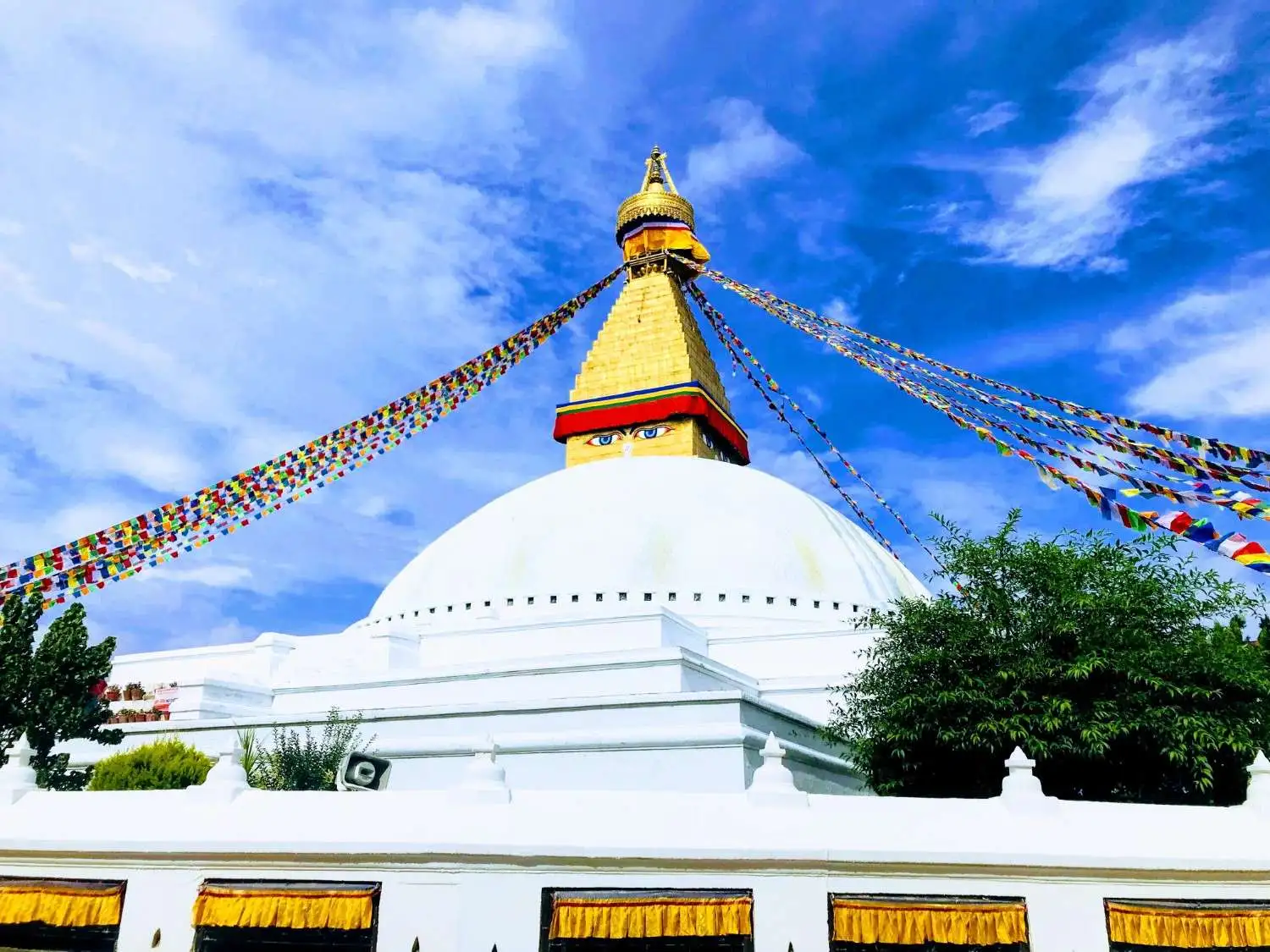
Boudhanath Stupa stands as one of the largest and most sacred Buddhist monuments not just in Nepal but in South Asia. Its massive mandala design dominates the skyline on the northeastern outskirts of Kathmandu, rising with a whitewashed dome topped by a spire adorned with Buddha’s watchful eyes. The stupa became a UNESCO World Heritage Site in 1979, recognized for its immense spiritual and cultural significance as a hub of Tibetan Buddhism.
The atmosphere around Boudhanath is uniquely meditative. Devotees and pilgrims circumambulate the stupa in a clockwise direction, spinning prayer wheels and reciting mantras in a rhythm that feels almost hypnotic. Surrounding the central monument are over fifty Tibetan monasteries, each with its own vibrant history, murals, and resident monks. This concentration of monasteries has made the area a center of Tibetan exile culture, where festivals like Losar (Tibetan New Year) and Buddha Jayanti (birth of Buddha) are celebrated with colorful fervor.
Beyond its spiritual role, Boudhanath is a living cultural landscape. The brick perimeter is lined with shops, cafes, and stalls selling prayer flags, thangkas (Tibetan Buddhist paintings), and traditional handicrafts. The sound of chanting and the sight of prayer flags fluttering against the sky create an immersive experience that feels both peaceful and profound. For many visitors, wandering here becomes not just sightseeing but a moment of reflection—a chance to slow down and engage with centuries-old traditions of Buddhist devotion.
Whether you’re here on a quick layover, a business trip, or a cultural vacation, this Kathmandu day tour package gives you a meaningful glimpse into the soul of Nepal in just one day. Country
Nepal
Country
Nepal
 Duration
1 Days
Duration
1 Days
 Difficulty
Easy
Difficulty
Easy
 Max. Altitude
5240 meters /
Max. Altitude
5240 meters / Prime Activity
Trekking
Prime Activity
Trekking
 Season
Autumn
Season
Autumn


Swayambhunath Stupa (Monkey Temple): Panoramic views of Kathmandu Valley, playful monkeys, and a serene, colorful hilltop setting.
Kathmandu Durbar Square: This World Heritage site showcases stunning Newari architecture, bustling courtyards, and the unique Kumari Ghar—the home of the Living Goddess
Pashupatinath Temple: Witness Hindu rituals along the Bagmati River, including the mesmerizing evening Aarti.
Boudhanath Stupa: One of South Asia’s largest stupas, a hub of Tibetan Buddhist culture, and a calm, meditative space.
The Kathmandu Day Tour is designed so you can enjoy the city fully without ever feeling rushed. The route unfolds almost like a story, with each stop revealing a new chapter of Kathmandu’s culture and history. Most days start with a hotel pick-up. Guides usually arrive early enough for you to enjoy a quiet cup of tea or coffee before heading out. Then comes a short ride in a personal car—a small luxury in a city where traffic can change without warning. Instantly, you feel relaxed and ready for the day.
The first stop is Swayambhunath Stupa, perched atop its hill like a watchtower over the city. The climb up 365 stone steps is refreshing, and once you reach the summit, the panoramic view of Kathmandu Valley greets you. Monkeys roam freely, adding a playful, mischievous energy to the calm of the stupa. It’s the perfect spot to stretch your legs and feast your eyes on the city below.
Next, the tour leads to the heart of ancient Kathmandu: Kathmandu Durbar Square. Here, the pace slows, giving you time to explore. Courtyards, alleys, and temples line your path, and you catch glimpses of locals going about their daily routines. Centuries-old buildings captivate your attention, while the Kumari Ghar, the home of the Living Goddess, along with finely carved palaces and crowded streets, make it feel like you’ve stepped into a living museum—where history isn’t stagnant, but alive and breathing all around you.
From there, the journey continues to Pashupatinath Temple, one of Nepal’s most sacred Hindu shrines. The ride is short, letting you observe the streets, small shrines, and daily urban life along the way. Upon arrival, the energy shifts. Priests chant, worshippers perform rituals, and cremation pyres line the Bagmati River. It’s intense, yet mesmerizing—a glimpse into a culture that is ancient, yet very much alive. If you’re there in the evening, the Aarti ceremony is unforgettable, with flickering candles, songs, and a serene atmosphere providing a perfect contrast to the day’s bustle.
The final stop is Boudhanath Stupa, a calming end to a busy day. Pilgrims and monks move clockwise around the massive stupa, turning prayer wheels and murmuring prayers. The quiet rhythm creates a reflective, almost meditative mood. By the time your guide returns you to your hotel, you’ve experienced a full circle of Kathmandu’s culture, spirituality, and history—a whirlwind of sights and sounds that leaves a lasting, immersive impression.
The Kathmandu Day Tour is generally considered moderate—suitable for most travelers, though it involves some walking and light climbing. The biggest effort comes at Swayambhunath Stupa, with its 365 stone steps. Your legs might feel a bit tired at first, especially if you’re not used to hills, but the reward is worth every step. From the top, the panoramic view of Kathmandu Valley—with its mix of rooftops, winding streets, and temple spires—is unforgettable. And don’t forget the mischievous monkeys, often more interested in tourists than the view itself! You can stop anytime, catch your breath, and take photos along the way.
Kathmandu Durbar Square and the surrounding streets are easy to walk, but you do need to pay attention. Narrow alleys, cobblestones, and scattered steps call for sturdy footwear. Moving through these bustling streets isn’t just physical—it requires focus. Traders, locals, and even dogs add to the vibrant, chaotic energy. The tour’s moderate difficulty makes it accessible to families, older travelers, or anyone new to the city, while giving you a chance to truly immerse yourself in everyday Kathmandu life rather than just observing it.
A little preparation goes a long way. Wear light, breathable clothing, and bring a small backpack with water, a camera, or a snack. Short rests in shaded courtyards or temple steps allow you to recharge while soaking in the surroundings. The pace is unhurried—not too fast, not too slow—so the day flows naturally, letting you absorb Kathmandu’s culture without feeling drained.
Kathmandu changes with the seasons, and the city’s temples, squares, and streets can feel very different depending on when you visit. Choosing the right season ensures pleasant weather, enjoyable sightseeing, and a comfortable walking experience. While Kathmandu can be visited year-round, spring and autumn are the best times for a day tour. These seasons offer mild weather, vibrant cultural activities, and stunning views of the surrounding hills and valleys. You’ll experience the city at its most colorful and lively, making your Kathmandu Day Tour truly memorable.
Spring is probably the most pleasant time to visit Kathmandu. It is not too hot or humid; the temperature is usually 15°C to 25°C, so there are never any issues with walking around the historic squares, hilltop temples, and crowded markets. The skies are mostly clear, providing a clear view of the hills around and the Himalayan mountains on the way. The moderate temperatures make streets and trails colorful as locals and tourists enjoy the city, which is a vibrant and friendly place to be.
The blooming rhododendrons, Nepal’s national flower, blanket hillsides and temple courtyards in reds, pinks, and whites. It’s alive in a way that’s perfect for photography and sightseeing. Festivals like Holi, the festival of colors, add even more vibrancy—tourists often get pulled into the playful atmosphere of colored powders, music, and laughter.
Spring is ideal for light trekking and cultural sightseeing. While the Kathmandu Day Tour focuses on temples, stupas, and squares, you can enjoy detours to viewpoints such as Nagarkot or take short nature walks along the valley. The weather is comfortable—not too hot, not too cold—with mostly sunny skies and occasional clouds. It’s the perfect balance for experiencing the city’s atmosphere at its best.
Summer in Kathmandu is also monsoon season, with occasional rain and humidity. Heavy showers are more common in hilly areas but can hit the city too, making walking tricky in some spots. Yet the rain turns Kathmandu lush and green—the gardens, parks, and surrounding hills take on an almost magical appearance.
Fewer tourists visit during this season, so attractions are less crowded and touring can feel calm and personal. Rain adds its own charm—the sound of water on rooftops and cobblestones gives the city an extra rhythm. Urban sightseeing is still possible if you bring light rainwear and waterproof shoes, while indoor attractions like museums or covered courtyards provide alternatives.
Summer also offers a glimpse into local life. Citizens continue their daily routines under umbrellas, vendors protect their products, and street food stalls sell warm treats like momos and sel roti—perfect for a rainy day. For travelers who don’t mind a drizzle, monsoon provides green valleys, fewer crowds, and a closer, more intimate view of Kathmandu.
Many travelers consider autumn the best season to visit Kathmandu. After the monsoon, the skies are clear, the air is fresh, and the Himalayan peaks sometimes peek through the horizon. Temperatures range from 18°C to 28°C, making it ideal for walking tours, temple visits, and photography.
Autumn is also festival season. Dashain and Tihar fill streets, squares, and temples with lights, decorations, and celebrations. You get to witness traditional rituals, family gatherings, and local festivities—an immersive cultural experience. Photographers will especially enjoy the vivid colors and striking contrasts throughout the city.
Whether climbing the steps of Swayambhunath Stupa, walking through Durbar Square, or reflecting at Boudhanath Stupa, autumn offers the best combination of comfort, culture, and photography opportunities.
Winter brings cool, crisp weather to Kathmandu, with temperatures ranging from 2°C in the mornings to 18°C during the day. The dry, clear climate provides excellent visibility, making it perfect for viewing Himalayan peaks such as Langtang or Ganesh Himal from city viewpoints.
With fewer tourists around, the city feels peaceful and easy to explore. Streets, markets, cafes, and lanes are quieter, making visits to Pashupatinath, Boudhanath, and Durbar Square more relaxed. Layered clothing and warm accessories are recommended, especially for high-altitude spots.
Winter also has its unique charm. Snow-capped mountains against clear skies make stunning photo opportunities, and local festivals like Maghe Sankranti or Tibetan Losar give travelers a glimpse into Nepalese culture and traditions. Winter is ideal for those who want calm, clear, and reflective day tours in Kathmandu.
Even for a short city tour in Kathmandu, having travel insurance is more than just a precaution—it provides a safety net that ensures peace of mind.
The importance of travel insurance.
Reimburses medical emergencies, such as altitude sickness, injury, or illness treatment.
Offers emergency evacuation and helicopter rescue (when necessary).
Insures against cancellation of trips, delays, or baggage loss.
Makes one financially stable in the face of surprises and alleviates stress during travel.
Choose a policy that clearly mentions high-altitude trekking and mountaineering.
Check helicopter evacuation, hospital treatment, and emergency medication.
Check the limit of covered altitude—normal insurance does not cover regions beyond 3,000 meters.
Bring a copy of the insurance policy, emergency contacts, and policy ID on the trek.
Insurance enables trekkers to focus on the adventure, scenery, and cultural experiences without worrying about financial risks.
Nepal does not have many restrictions on the on-arrival visa for most nationalities. There are facilities at Tribhuvan International Airport in Kathmandu where visitors can apply for a visa.
Visa on arrival is available to most nationalities.
Indian nationals move in without visas.
Children under 10 and some SAARC citizens are granted a three-month complimentary visa.
There are also certain exemptions that require prior visa clearance. Travelers should always check the official list published by the Department of Immigration in their country of citizenship before traveling.
Visa eligibility is available at all entry points in Nepal.
Nepal offers a variety of visa durations to suit different travel plans.
15 days (multiple entry): USD 30
30 days (multiple entry): USD 50
90 days (multiple entry): USD 125
Travelers can obtain visa extensions at the immigration offices in Kathmandu or Pokhara for an additional fee if they plan to extend their stay.
In order to have a smooth visa-on-arrival process, prepare the following:
The passport must be valid for at least 6 months upon entry
One or two recent passport-size photos (4×6 cm)
Exact cash payment in USD (clean bills are preferable; credit cards are not always accepted)
Filled visa application and arrival card (which could be obtained on-site or which could also be completed online through nepaliport.immigration.gov.np)
A yellow fever certificate is not required unless the traveler is arriving from an endemic area.
Complete the tourist visa form and arrival card within the special counters.
Present your passport and photos for verification first, then pay the visa fee at the bank counter and get a receipt.
Take all the papers (passport, forms, photos, and receipt) to the immigration office for inspection and stamping. This usually takes 15 to 60 minutes, depending on the length of the queue.
Note: There may be a longer queue during high tourist seasons; the online pre-application system will help reduce wait times.
At Nepal Outdoor Expeditions, adventure comes in many forms, not just on trekking trails. For those who want to explore Nepal’s rich culture, peaceful nature, and spiritual heritage without intense hiking, we offer thoughtfully designed tours that reveal the soul of the country.
Book now to secure your date, or chat with our team for custom Kathmandu day tour packages and add-on excursions. See, taste, and feel the real Kathmandu—one unforgettable day at a time.
Temples, stupas, and historic squares are not the only things worth exploring in Kathmandu—its food scene is equally compelling. An urban day out is the perfect chance to taste local cuisines that have been refined over the years.
A must-have meal is momo, Nepal’s signature dumpling, typically stuffed with chicken, buffalo, or vegetables and cooked either steamed or fried. The delicate dough, combined with a hot tomato-garlic chutney, is irresistible. Around Durbar Square and Thamel, many small restaurants and street vendors prepare fresh momos, giving visitors the opportunity to watch the process—a small culinary performance in itself.
Another staple to try is dal bhat, the traditional Nepalese dish of lentil soup, rice, and seasonal vegetables, served with pickles. Though simple in concept, dal bhat is the backbone of Nepalese cuisine: healthy, wholesome, and providing a steady boost of energy throughout the day. Some variations include chicken, fish, or goat curry, offering a more varied flavor profile. The tour allows visitors to enjoy dal bhat in its authentic form at local restaurants near Pashupatinath or Boudhanath, rather than a tourist-adapted version.
For lighter bites and desserts, Kathmandu’s busy markets are full of tempting options. Sel roti, a ring-shaped rice doughnut, is lightly sweet, crisp on the outside, and soft on the inside—perfect for snacking between sightseeing stops. Another specialty is chatamari, a Nepali rice crepe topped with minced meat, egg, or vegetables, traditionally associated with the Kathmandu Valley Newar community.
Accompanied by a locally brewed milk tea or freshly squeezed juice, these snacks make for a delightful tasting experience. Together, they capture Kathmandu’s culinary culture in a single day, giving visitors a true flavor of the city while exploring its temples, squares, and stupas.

Tenzing Sherpa
Have questions? Our travel specialists are here to help plan your perfect adventure.
Chat on WhatsAppMorning: Hotel Pickup and Swayambhunath Stupa (Monkey Temple) The day starts with a friendly pick-up from your hotel in Kathmandu, typically in the early morning. You might enjoy a cup of tea or coffee while waiting—a strangely pleasant moment, as the city slowly comes to life around you. The first stop is Swayambhunath Stupa, perched on a hilltop overlooking the valley. You will ascend the 365 stone steps—your legs will feel the effort, but the view at the top is absolutely worth it. Below, the city stretches out like a red patchwork of rooftops, temples, and winding streets. Mischievous monkeys roam freely around the stupa, sometimes eyeing your camera or backpack. It’s a perfect mix of peaceful spirituality and vibrant disorder, and you might find yourself lingering longer than planned, just taking it all in. Late Morning: Kathmandu Durbar Square Leaving the hilltop behind, a short drive brings you to Kathmandu Durbar Square, right in the heart of the old city. This living, breathing UNESCO World Heritage Site is filled with palaces, courtyards, and intricately carved temples that narrate centuries of history. You will have the opportunity to visit the Kumari Ghar, the house of the Living Goddess—a strange, amazing, and unforgettable glimpse into Nepalese culture. The square is alive with street vendors, pigeons, and occasional festival activities, giving it a cinematic quality. Your guide will share stories about the Malla kings, architecture, and old traditions, bringing the past to life in a way no guidebook ever could. Afternoon: Pashupatinath Temple Next, a brief drive takes you to Pashupatinath Temple, one of Nepal’s most sacred Hindu sites. Here, the atmosphere is heavier, more ceremonious. Along the Bagmati River, priests perform their daily rituals, worshippers pray, and cremation ghats remind you of centuries-old traditions. If you are there in the evening, you may witness the Aarti—a beautiful ceremony of lamplight, chants, and floating candles. The experience is intensely sensory, at times overwhelming, but it leaves a strong impression of Nepal’s spiritual heartbeat. Late Afternoon: Boudhanath Stupa The final stop is Boudhanath Stupa, calmer and more meditative compared to the intensity of Pashupatinath. This huge white stupa dominates the skyline, surrounded by Tibetan monasteries. You can walk around the stupa, spinning prayer wheels and listening to monks chant, or simply sit and watch pilgrims move quietly in a circle. The atmosphere here is gentler, slower, and reflective, giving you the perfect way to end your whirlwind tour of Kathmandu’s cultural and spiritual landmarks. Evening: Return to Hotel Your personal car will take you back to your hotel. You may feel pleasantly tired, your camera full of photographs, and your mind buzzing with stories and impressions. It’s a day packed with sights, sounds, and experiences but one that leaves a lasting, intimate impression of Kathmandu—its history, spirituality, and vibrant daily life.
Because your next adventure is impatiently waiting for you.
Last Minute Note: Grab incredible deals on the last minute departure / Book spontaneous trips to hip destinations with limited-time offers and discounted price
Before you think of or actually plan any adventurous or relaxing tours, travels, or treks with Nepal Outdoor Expeditions.