Annapurna Circuit Trek-14 Days
Trip Type
Trekking In Nepal
Accomodation
Tea House
Destination
Nepal
Start Point
Kathmandu
Region
Annapurna Region
Duration
14 Days
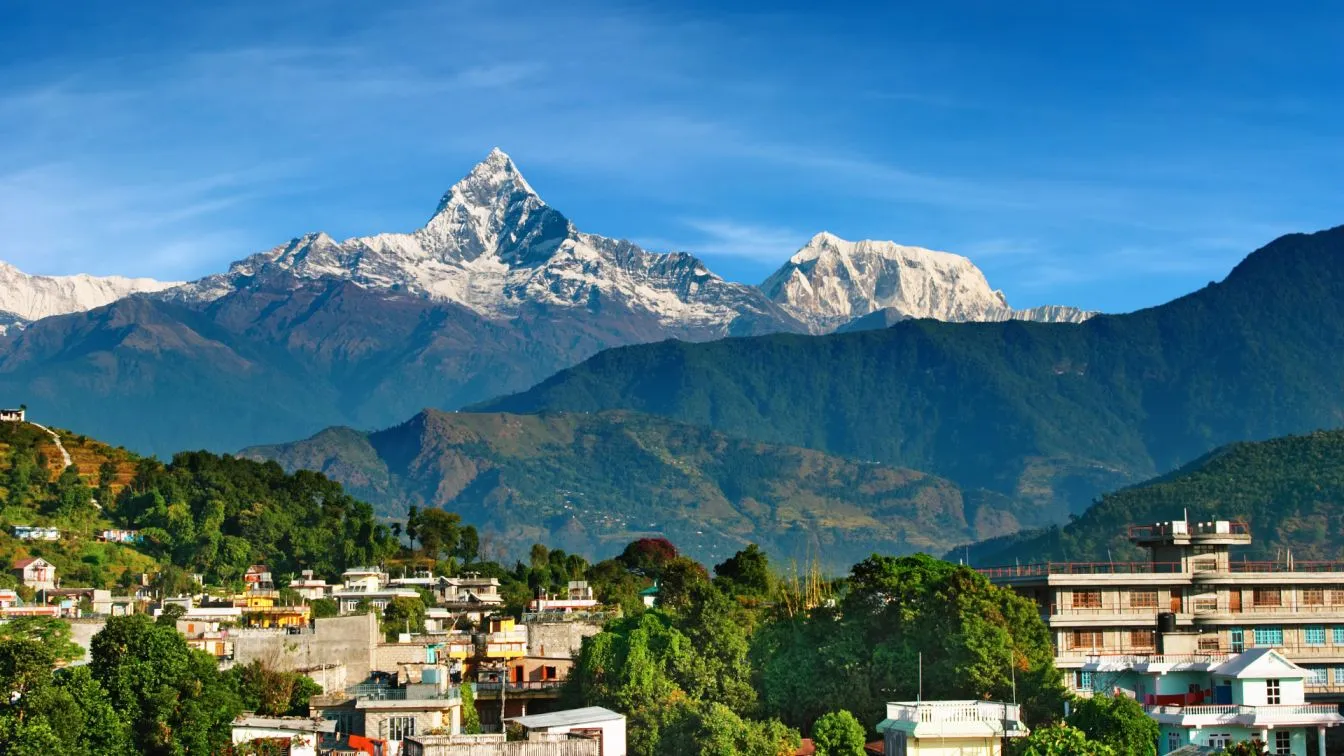
The Annapurna Circuit Trek is one of the most famous and breathtaking adventures in the mid western part of Nepal. This trek offers you diverse landscapes, panoramic views of mountains, and a deep dive into the culture and traditions of the Himalayas.
Seasonal Information:
The weather varies according to the season in the Annapurna region, which influences the experience of trekkers.During spring season (March-May), the temperature is moderate, you get to see clear skies with vibrant rhododendron blooms. Likewise in the autumn season (September-November), which is the most popular for trekking, which offers stable weather and excellent visibility. Also the temperatures in the daytime are comfortable compared to night one. For the winter season (December-February), the region suffers cold temperatures, primarily at higher altitudes, and snow may cover some of the trails, which makes it more challenging for trekkers. There is a high chance of Thorong La Pass closure due to heavy snowfall. Lastly, for monsoon season (June-August), rainfall can make trails slippery and risky. Despite that, the rich greenery gives a unique perspective to the region.
Cultural and Natural Insights:
You can explore and connect to the diverse ethnic community of the Annapurna region. The culture and tradition give you the spiritual connection and peace of the trek. There are mostly Gurung, Magar, Thakali, Loba, and Manange communities. Gurung and Magar are located in the southern part of the region and known for their lively tradition, folk dances, and warm hospitality. Likewise, Thakalis, Lobas, and Mananges are located in the northern part of the region. They are very much influenced by Tibetan culture, and they present unique architecture, monasteries, and language. From natural aspects, this trek takes you through lush forests, alpine meadows, and rocky deserts. You can enjoy the hot springs at Tatopani. You can witness the world’s deepest gorge, which is Kali Gandaki Gorge. You can cross through a high-altitude pass that is Thorong La Pass for breathtaking views of mountains.
Preparation Guide:
Before diving into what to pack and how to train, it's important to understand the nature of the journey. While the Annapurna Base Camp Trek is achievable even for beginners, it does involve several days of walking with frequent ascents and descents. If you’re curious about how challenging it really is, check out our detailed guide on how difficult the Annapurna Base Camp trek is.
-
For physical fitness: This trek is suitable for beginners also, with many ascents and descents. So you need to be physically fit to walk for long hours.
-
For packing list:
-
For clothes, you need layered clothing like thermals, jackets, base layers, and fleece.
-
For footwear, waterproof trekking boots with good grip are needed.
-
For gear, you need trekking poles, a headlamp, and a daypack.
-
Sunscreen, power banks, sunglasses, and water purification tablets are required.
-
You need a TIMS card and an Annapurna Conservation Area Permit (ACAP).
-
For altitude prevention, you need to stay hydrated and avoid alcohol. You need to consider carrying medication like Diamox in case of an emergency.
Sustainability and Responsibility:
The ecosystem of the Everest region has been significantly impacted by increasing tourism. Trekkers have some responsibilities towards the environment to preserve the beauty of the Himalayas for our own good and for the future generation. Here are some ways to practice environmental responsibility:
-
You can carry garbage bags with you or dispose of trash in designated areas.
-
Avoid using single-use plastic water bottles.
-
Choose accommodation that follows sustainable practice.
-
You can purchase local goods to uplift/support the local economy.
-
Avoid picking rare plants that take long to grow, and respect wildlife and their habitat.
-
Travel in groups to reduce ecological strain.
Modern Trekkers Expectations:
Annapurna Base Camp Trek promises to meet the expectations of travelers by providing many lodges and tea houses, including solar power and waste management. By giving access to limited Wi-Fi and mobile networks available, allowing trekkers to stay connected while enjoying the camp. Likewise, opportunities to get engaged in local tradition and culture, exploring them and also participating in their practices. Offering simple but nutritious meals and safe and cozy accommodation. While returning, you can enjoy the hot springs at Jhinu Danda and other places that come along the trek route, which are also known for their rejuvenating effects.
Not sure if Annapurna Base Camp is the perfect fit for you? Whether you're looking for something shorter, more remote, or just a different kind of trekking experience, Nepal Outdoor Expeditions offers plenty of incredible options to choose from.
Here are some other treks you might like:
Conclusion:
The Annapurna Circuit Trek is a unique adventure that combines natural beauty, culture involvement and physical challenge. This trek offers an unforgettable experience for outdoor enthusiasts.
Highlights of the Annapurna Circuit Trek-14 Days
-
You can witness the stunning views of the Himalayas from Thorong La Pass.
-
You can experience the diverse landscapes.
-
You can enjoy the hot springs at Tatopani.
-
You can walk through deepest George which is Kali Gandaki Gorge.
-
You can visit the sacred Muktinath Temple.
-
You can enjoy the home cooked meals with the locals.
-
You can explore Tibetan influenced Buddisht culture.
Short Itinerary ( 14 days )
Arrival in Kathmandu and you’ll take a scenic drive through Trishuli and Marshyangdi rivers, terraced farms and villages to reach Dharapani. Distance: 235 km, altitude gain: 1210m
You’ll start your trek to Chame and witness the beautiful scenery along the way. Chame is the entry point of Annapurna Circuit. Distance:150 km, altitude gain: 710 m, walking hours: 5-6
You’ll start your trek and pass through pine forest and george. You can witness the views of Manaslu and Annapurna II. Pisang offers the traditional Tibetan culture and stunning views. Distance: 10km, walking hours: 5-6, altitude gain: 630 m
You’ll continue trekking to Manang which is a village with stunning mountain views and when you reach Manang it will be the acclimatization day for you to prevent from altitude sickness. You can explore monasteries in the village. Distance: 14km, walking hours: 5-6, altitude gain: 240 m
It is an acclimatization day so you’ll have a short hike to Ice lake. You can explore the Braga Monastery. You can explore the culture of local Gurung and Tibetan influenced communities. Stay overnight at a tea house.
You’ll have a short hike to Yak Kharka. You can enjoy the views of Annapurna II and Gangapurna mountains. Stay overnight at a tea house. Distance: 10km, walking hours: 4-5, altitude gain: 490 m
A short trek to Thorong Phedi which is the last stop before crossing Thorong La Pass. Distance: 6km, walking hours: 3-4, altitude gain: 420m
You’ll cross the Thorong La Pass. After that you’ll trek to Muktinath all the way down. Stay overnight at a tea house in the Muktinath area. Distance: 18km, walking hours: 8-10, altitude loss: 1706 m(from Thorong La Pass)
A short trek to Jomsom and enjoy the apple pies, cider as it is the capital of apples. Distance: 12 km, walking hours: 3-4, altitude loss: 1000m
You’ll descend to Marpha passing through Jharkot and Ekle bhatti that offer stunning views of mountains. You reach Marpha which is also known as the apple capital. Distance: 24km, walking hours: 6-7, altitude loss: 50 m
This is going to be a jeep drive that passes through Kalo Pani and Rupse Waterfall. When you reach Tatopani you can relax in hot springs as a reward for your trek.
You start your trek through rhododendron and pine forests. You can enjoy the stunning views of Mount Annapurna and Dhaulagiri. Stay in Ghorepani which is a famous village for Poon Hill. Distance: 17km, walking hours: 6–7 hrs, altitude gain: 1620 m
You’ll have a short hike to Poonhill for the sunrise views over Annapurna mountain along with other mountain vistas. Then you’ll descend through Ulleri’s famous stone steps and when you reach Nayapul you’ll drive to Pokhara. After you reach Pokhara you can explore the city and have fun. Distance: 13km, altitude loss: 1910 m
You’ll have a scenic drive to Kathmandu and when you reach Kathmandu, you can explore the city. You’ll be transferred to the International Airport for your departure. Distance: 200km, duration: 6-7 hrs (drive)
Cost Includes
-
Cost of permits and paperwork
-
Transportation cost
-
Accommodation
-
Meals and Drinks
-
Cost of trekking staff
-
Miscellaneous cost like government tax and service
Cost Excludes
-
Personal expenses
-
Trekking gear and equipment
-
Insurance and emergency cost
-
Tips for guide or porter
Trip FAQS
The Annapurna Circuit is located in the north-central region of Nepal within the Annapurna Conservation Area.
The best seasons for the Annapurna Circuit trek are spring (March to May) and autumn (September to November) due to stable weather, clear skies, and optimal trekking conditions.
The Annapurna circuit trek typically takes 10-14 days depending on your pace and the specific route you choose.
There are basic lodges providing simple rooms with shared facilities like bathrooms. Accommodation is provided in teahouses along the trek.
On average, you need to walk 5-6 hrs per day; that depends on altitude and stage of trek.
Yes, it is possible to complete Annapurna Circuit Trek in 12 days, but that depends on your pace and fitness
Yes, there is the facility of Wi-Fi at tea houses, though it may be slow in some areas due to high altitudes, and there may also be a charge for using Wi-Fi.